FIFA
Why Confederations Sit Between Clubs And The Centre
Continental bodies run their own competitions and collect their own rights income, which gives them independent finances and makes them the layer where most redistribution decisions are taken.
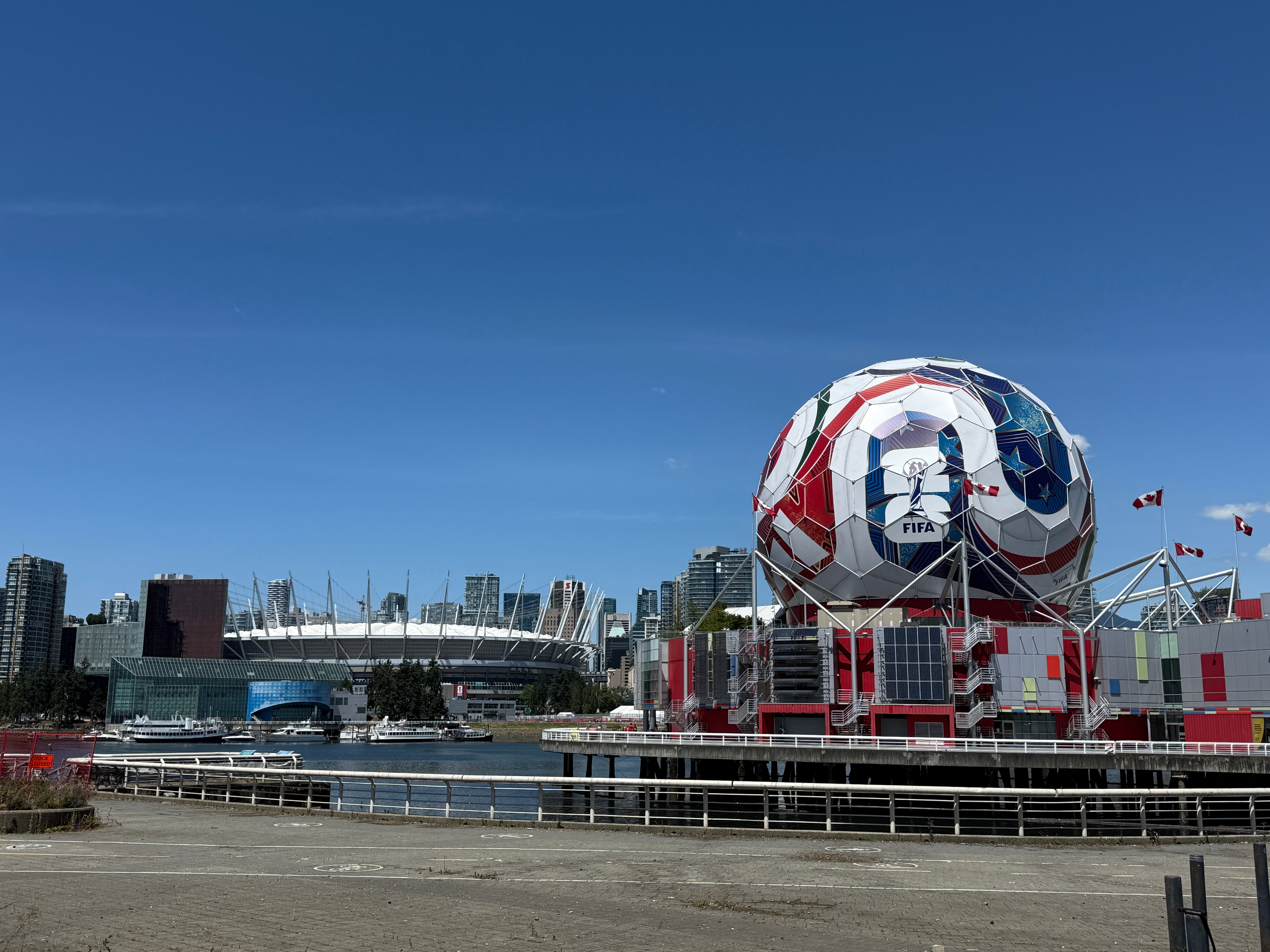
Between a global governing body and a national association sits a continental confederation with its own competitions, its own commercial income and its own distribution policy. That middle layer explains much of how football's money actually moves.
Confederations own their competitions
Continental club competitions and national team tournaments are organised by the confederation, which sells the broadcast and sponsorship rights to them directly.
That income belongs to the confederation rather than to the global body, so it is not part of the four-year global tournament cycle at all.
In the strongest confederations, this revenue exceeds what the global body distributes to that region, which reverses the expected direction of financial dependence. The middle layer is then the richer party.
Two distribution streams reach a club
A club playing in a continental competition receives participation payments, performance payments and a share tied to the value of its national broadcast market.
Separately, its national association receives grants from both the confederation and the global body, some of which reaches clubs through domestic programmes.
The first stream is far larger for elite clubs and far smaller for everyone else, which is why continental qualification is financially decisive in most leagues.
The market pool creates uneven rewards
Where distribution is weighted by the size of a club's domestic broadcast market, two clubs performing identically can receive very different amounts.
The reasoning is that the value being shared was generated by broadcasters in those markets, so it should return to them proportionally.
The consequence is that clubs from large markets enter continental competition with a structural income advantage that compounds if they qualify repeatedly.
Solidarity to non-participants
Confederations set aside a portion of competition revenue for clubs that did not qualify, distributed through national associations or leagues.
The purpose is to limit the gap between participants and the rest, since repeated qualification would otherwise make domestic competition uncompetitive.
The sums are modest against what participants earn, so the mechanism slows divergence rather than preventing it. Raising them would require participants to accept less, which they resist.
Why the middle layer holds power
Confederations control qualification slots for global tournaments, run the competitions clubs most want to enter, and vote as blocs in global governance.
Because they raise their own revenue, they can pursue policies the global body does not favour, including new competition formats.
Most significant disputes in football governance are therefore negotiations between layers rather than decisions handed down from a single authority. The outcome usually reflects which layer controls the competition at issue.