Athletics
What Happens To A Stadium After The Games
Purpose-built championship stadiums are oversized for any regular tenant, so post-event use turns on conversion, subsidy or finding a sport that fills the seats.
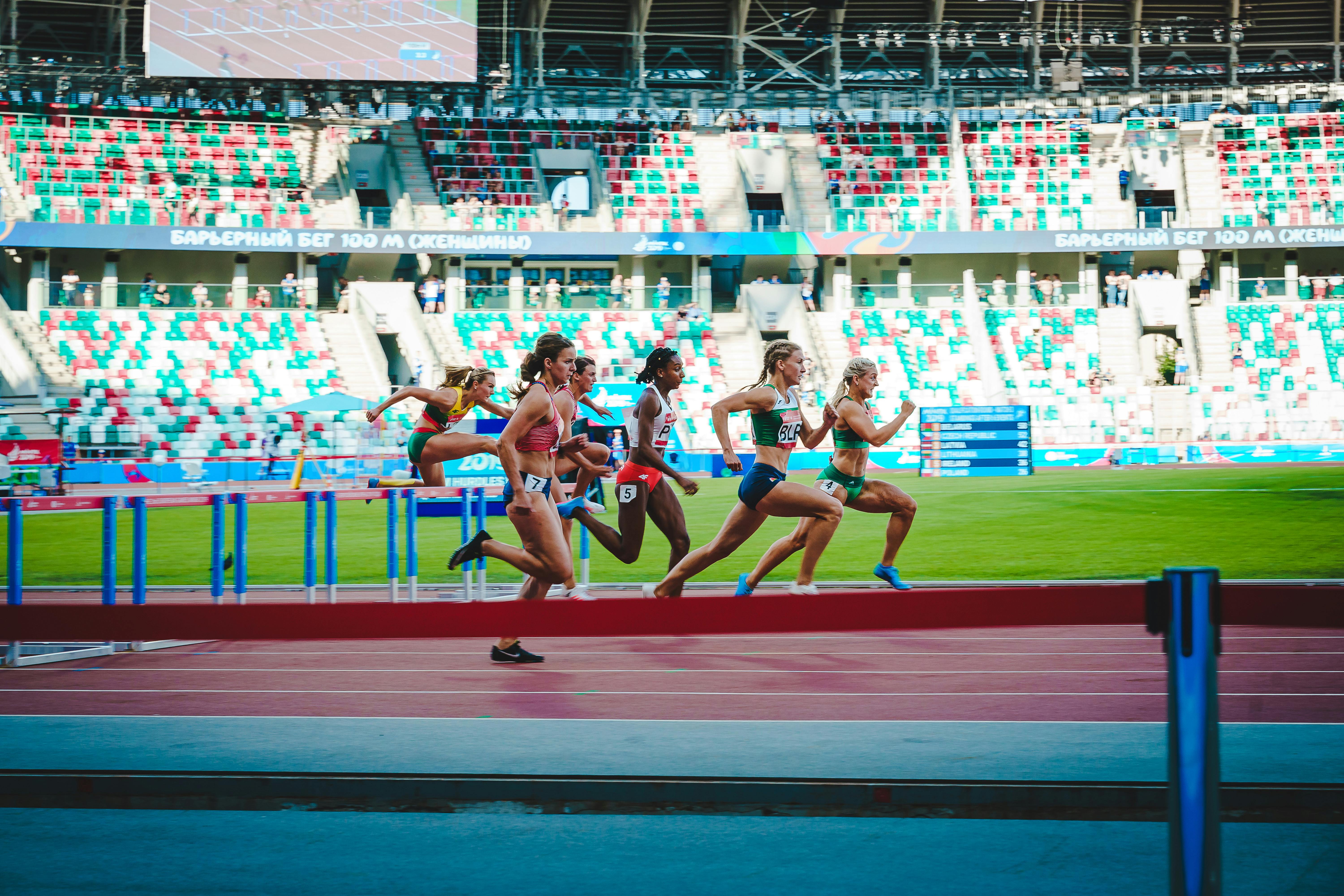
A stadium built for a global championship is sized for an occasion that lasts a fortnight. What happens afterwards is decided by whether a permanent use can be found for a building designed around a temporary one.
The design conflict
An athletics stadium requires a track surrounding the infield, which places every spectator further from the action than in a stadium built for a field sport.
Capacity is set by championship demand, which is far above what any regular tenant will fill week to week.
The result is a venue that is simultaneously too large and poorly configured for the sports most likely to occupy it afterwards. Neither problem can be solved cheaply once the concrete is poured.
Conversion is expensive but common
Many venues are reconfigured after the event, reducing capacity, removing or covering the track and moving seating closer to the pitch.
Conversion costs are substantial and are frequently underestimated at bid stage, because the design compromises required to allow it are themselves costly.
Designing for conversion from the outset is cheaper than retrofitting, which is why demountable upper tiers and modular seating now feature in bids.
Tenancy determines viability
A stadium with an anchor tenant playing regularly has a reliable income stream and a reason for its operating costs to exist.
Without one, the venue relies on occasional concerts and one-off events, which cannot cover the standing cost of a large permanent facility.
Negotiations with prospective tenants usually favour the tenant, since the alternative for the owner is an empty building. Rents settle well below what the construction cost would justify.
Who carries the cost
Ownership typically rests with a public body or a legacy company created for the purpose, which means operating deficits fall on public accounts.
Long leases to a sports club transfer operating risk but often at rents well below what the construction cost would imply.
The gap between construction cost and realistic rental value is the actual legacy question, and it is settled long after the event has left public attention.
The temporary alternative
Some hosts now build permanent capacity only at the level a future tenant needs and add temporary seating for the championship itself.
The approach costs more per seat during the event but avoids a permanent structure with no permanent purpose.
It requires accepting a smaller legacy building, which is politically harder than it is financially, since the monument is often part of why hosting was pursued.