Football
How Multi-Club Ownership Groups Actually Work
Buying several clubs under one holding company is a financing and asset-management structure, not a trophy collection, and its logic shows up in how costs and players move between them.
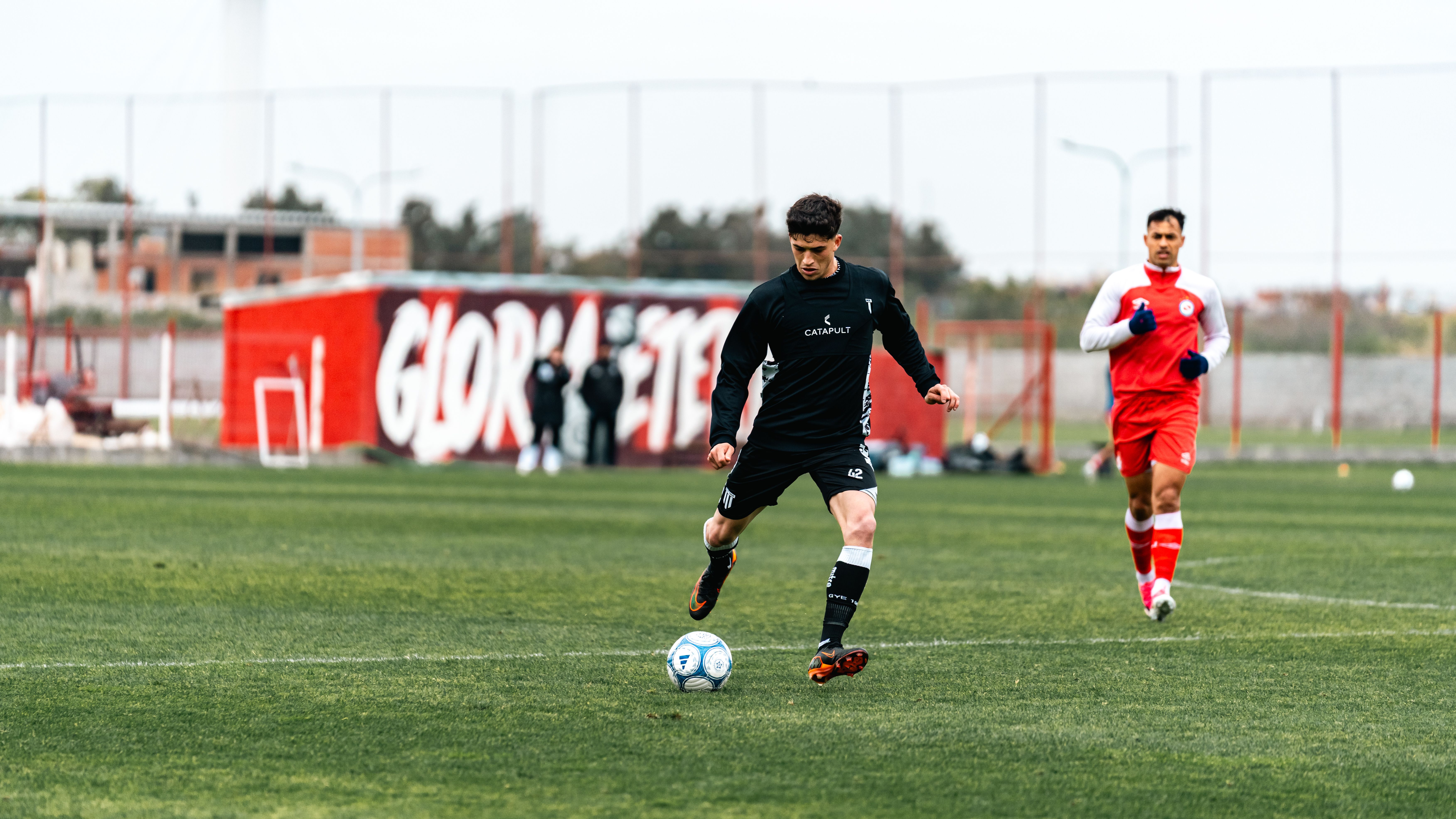
A single owner holding stakes in clubs across different countries has become a common structure in football. The arrangement is driven by cost sharing and asset development rather than by a wish to win everywhere at once.
Why one buyer holds several clubs
A holding company treats each club as an operating unit with its own licence, stadium and league position. What it centralises is capital, recruitment and the expertise that is expensive to build twice.
Clubs in smaller markets are cheap relative to the revenue they can generate once run well. A group can buy several for the price of a modest stake in one large club.
The group also spreads risk. A poor season at one club does not sink the whole structure, because income and asset values are not perfectly correlated across leagues.
The player pipeline is the main asset
Groups usually designate one club as the flagship and others as development or feeder sites. Young players are signed cheaply into the smaller clubs and given competitive minutes far earlier than they would get otherwise.
If a player develops, the group can move him upward internally or sell him externally at a large gain. Either way the value was created inside the structure rather than bought at market price.
This is why groups favour leagues with low wage floors and reasonable competitive standards. The cost of a failed prospect stays small while the upside is unchanged.
Shared costs sit at group level
Scouting networks, data platforms, medical protocols and commercial teams are expensive fixed costs for a single club. Spread across five or six, the same spend becomes affordable per unit.
Back-office functions are frequently consolidated too. Legal, finance and compliance work is standardised so that each club runs on the same reporting calendar and the same accounting treatments.
The saving is real but it is not unlimited. Local staff, local regulation and local commercial relationships still have to be maintained club by club.
Regulators worry about two clubs in one competition
The sharpest constraint is sporting integrity. Competition organisers restrict clubs under common control from entering the same tournament, because the incentive to manipulate a result would exist even if it were never acted upon.
Groups respond by placing shares in blind trusts, reducing holdings below a control threshold, or selling one club outright. These are ownership engineering solutions to a sporting rule.
Related-party transfers face similar scrutiny. A fee paid between two clubs with the same owner has to be justified against market value or it becomes a way of moving money around a spending limit.
What happens when a group unwinds
Group structures are financed with a mix of equity and debt held at the holding level, secured against the value of the clubs beneath it. That debt does not disappear when results turn.
Unwinding usually means selling the peripheral clubs first, because they are the most liquid and the least tied to the owner's reputation. The flagship is sold last and often reluctantly.
The clubs left behind inherit a squad and a wage structure built for a pipeline that no longer exists. Rebuilding a standalone commercial operation takes years.